

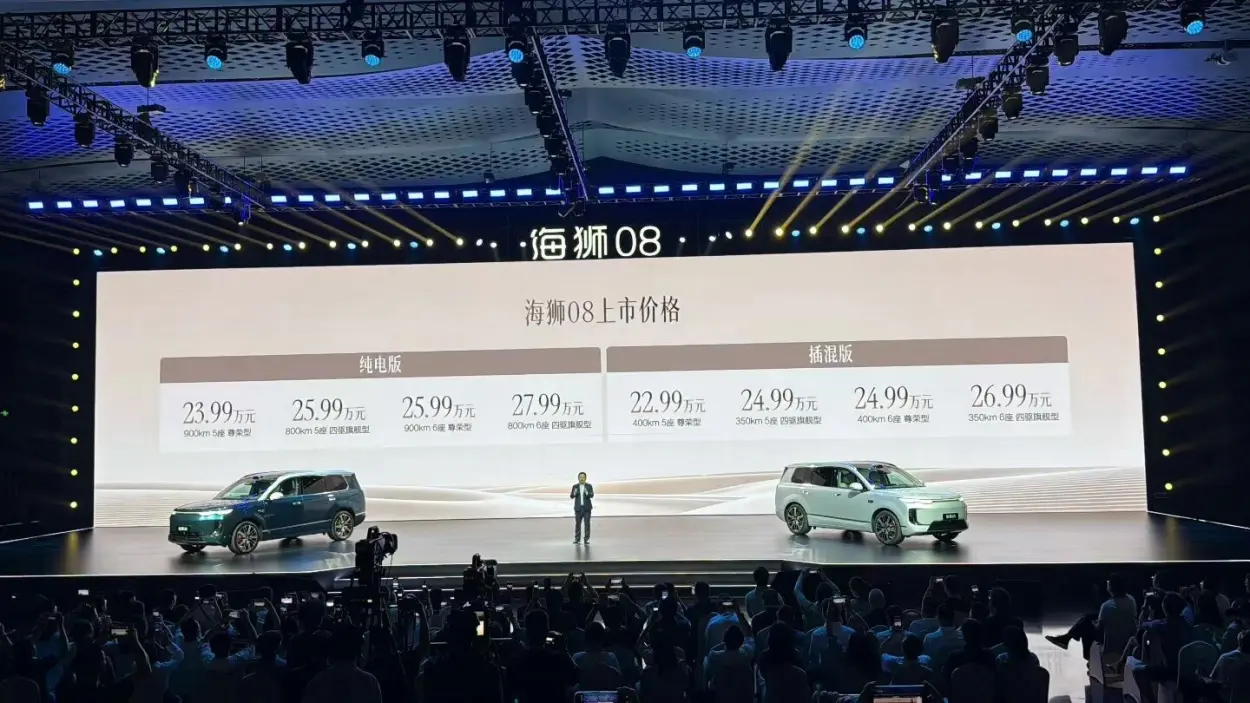
BYD opened sales Tuesday for the Sealion 08, a 5.1-meter flagship SUV that makes air suspension, LiDAR-assisted driver assistance and rear-wheel steering standard on all eight variants — at a starting price of 229,900 yuan (about $31,700). It is the clearest signal yet that BYD intends to fight Li Auto and AITO for the profitable three-row family segment not with a discount, but with hardware that rivals reserve for their top trims.
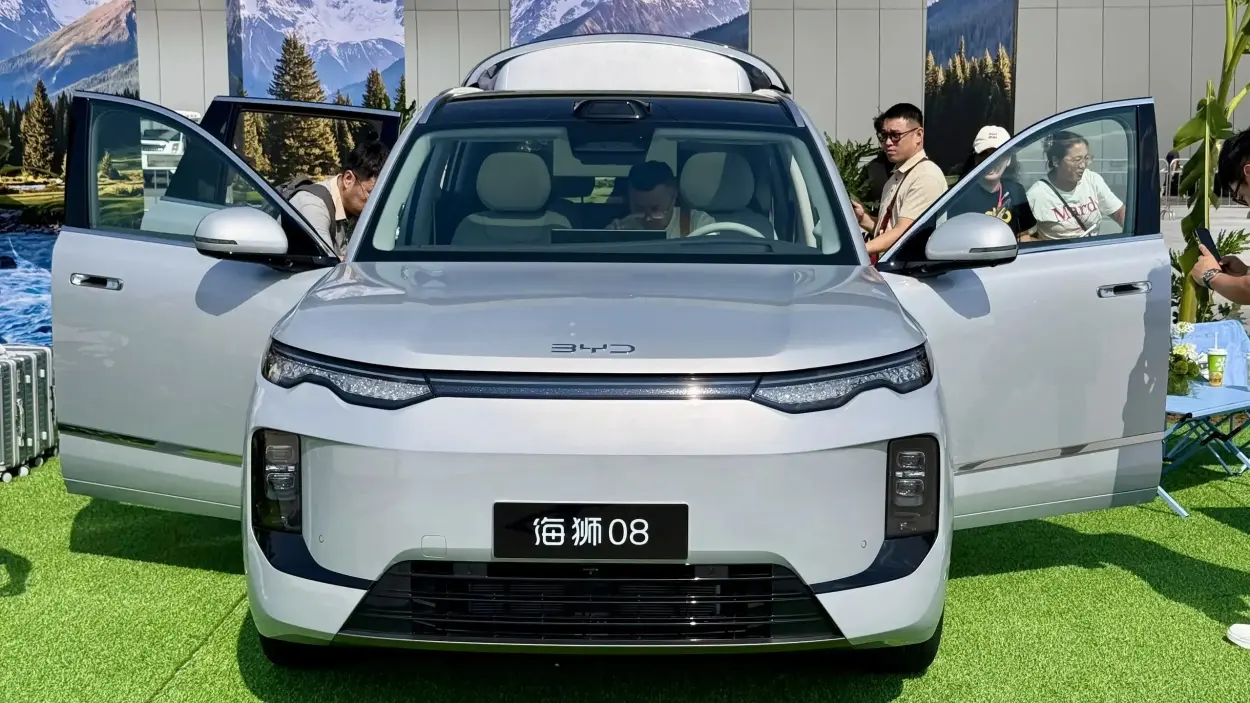
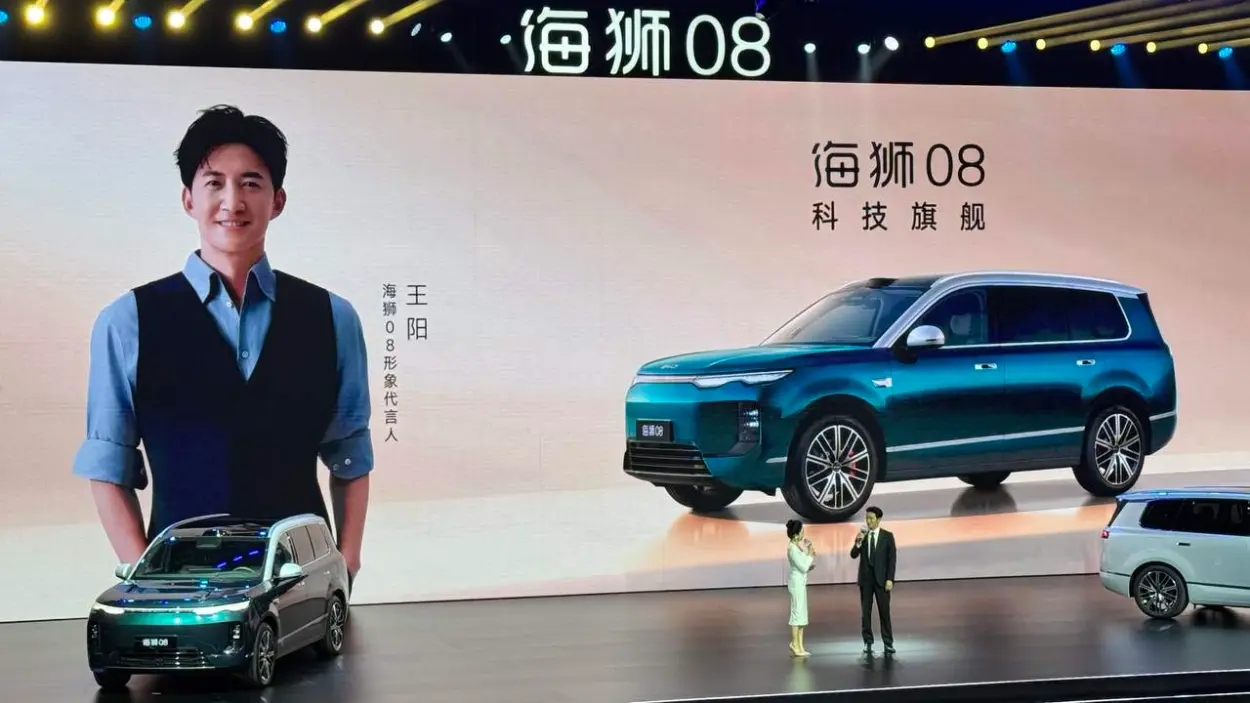
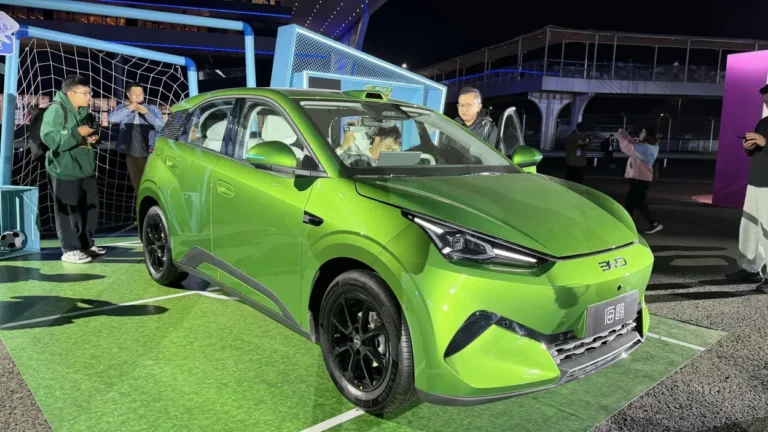
I attended BYD’s Sealion 08 launch event in person. Past the headline price, what struck me on the floor was how much hardware BYD now puts on the standard trim — the air suspension, the LiDAR and the rear-wheel steering are not flagship exclusives here, they are the floor.
The BYD Sealion 08 spec sheet that rewrites the value equation
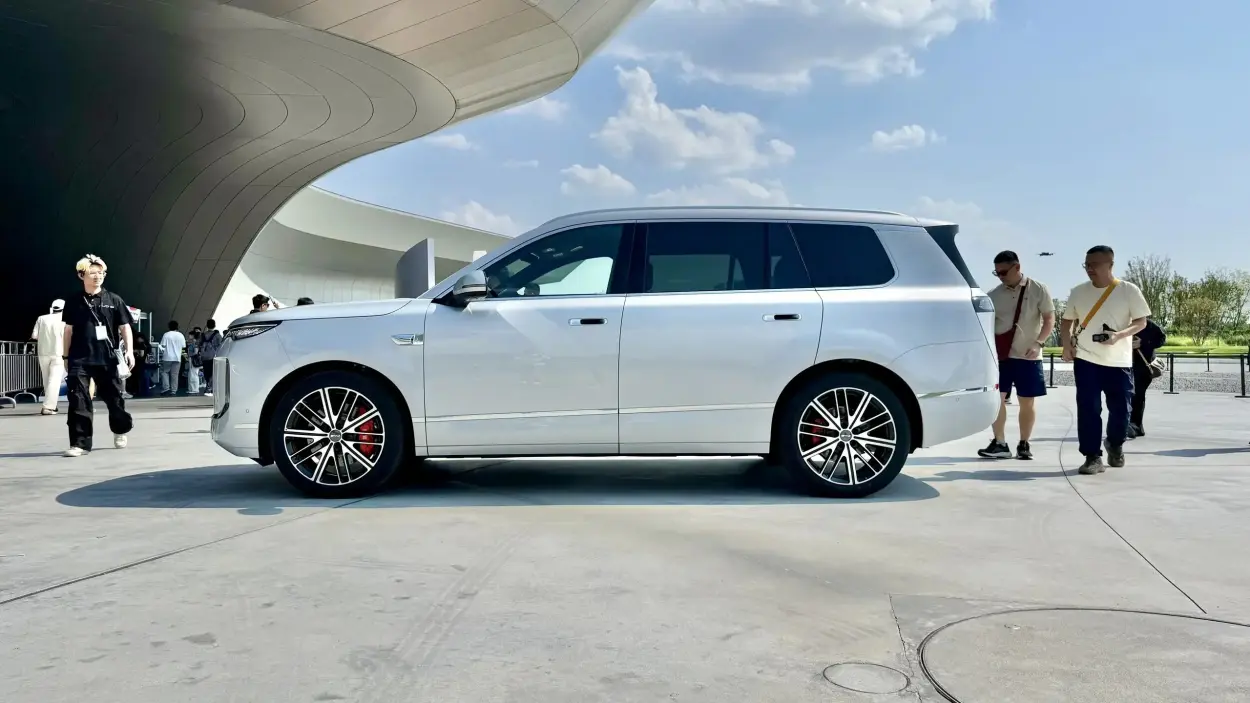
The Sealion 08 lands as a mid-to-large SUV on the Ocean Network, BYD’s design-forward retail channel. It is offered in eight trims — four battery-electric and four plug-in hybrid — across five- and six-seat layouts. Pricing runs 229,900 to 279,900 yuan (roughly $31,700 to $38,600 at EVsays’ 7.25 reference rate). The body measures 5,115 mm long, 1,999 mm wide and 1,800 mm tall, on a 3,030 mm wheelbase — meaningfully larger than a Tesla Model Y and squarely in Li Auto L8 and AITO M7 territory.
What is unusual is not the size but the uniformity. Every single variant gets the God’s Eye B driver-assist suite with a LiDAR sensor, DiSus-A closed dual-chamber air suspension, rear-wheel steering and the second-generation Blade Battery. There is no “base model penalty” — the $31,700 entry car carries the same chassis and perception hardware as the $38,600 flagship. For context, air suspension and LiDAR remain paid options or high-trim exclusives on most competitors in this bracket.
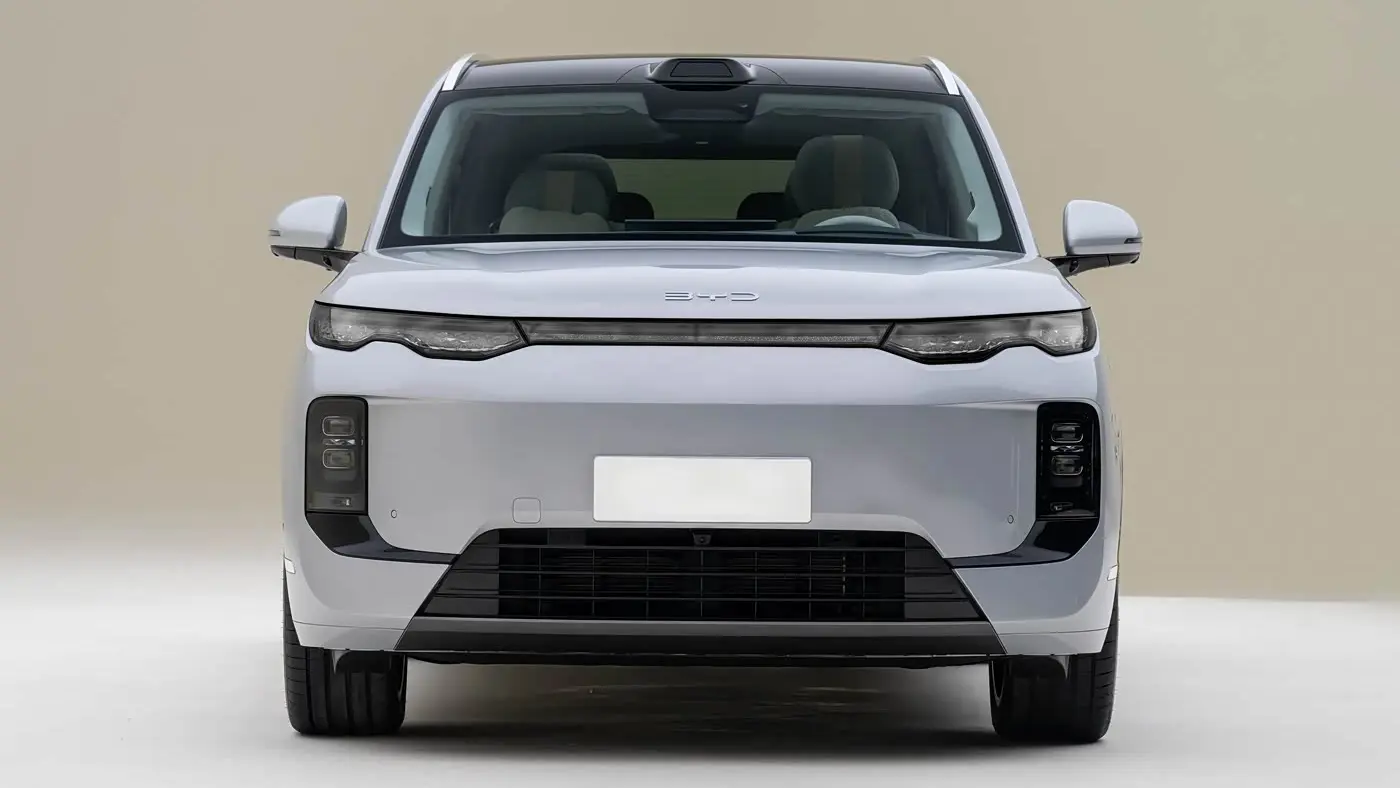
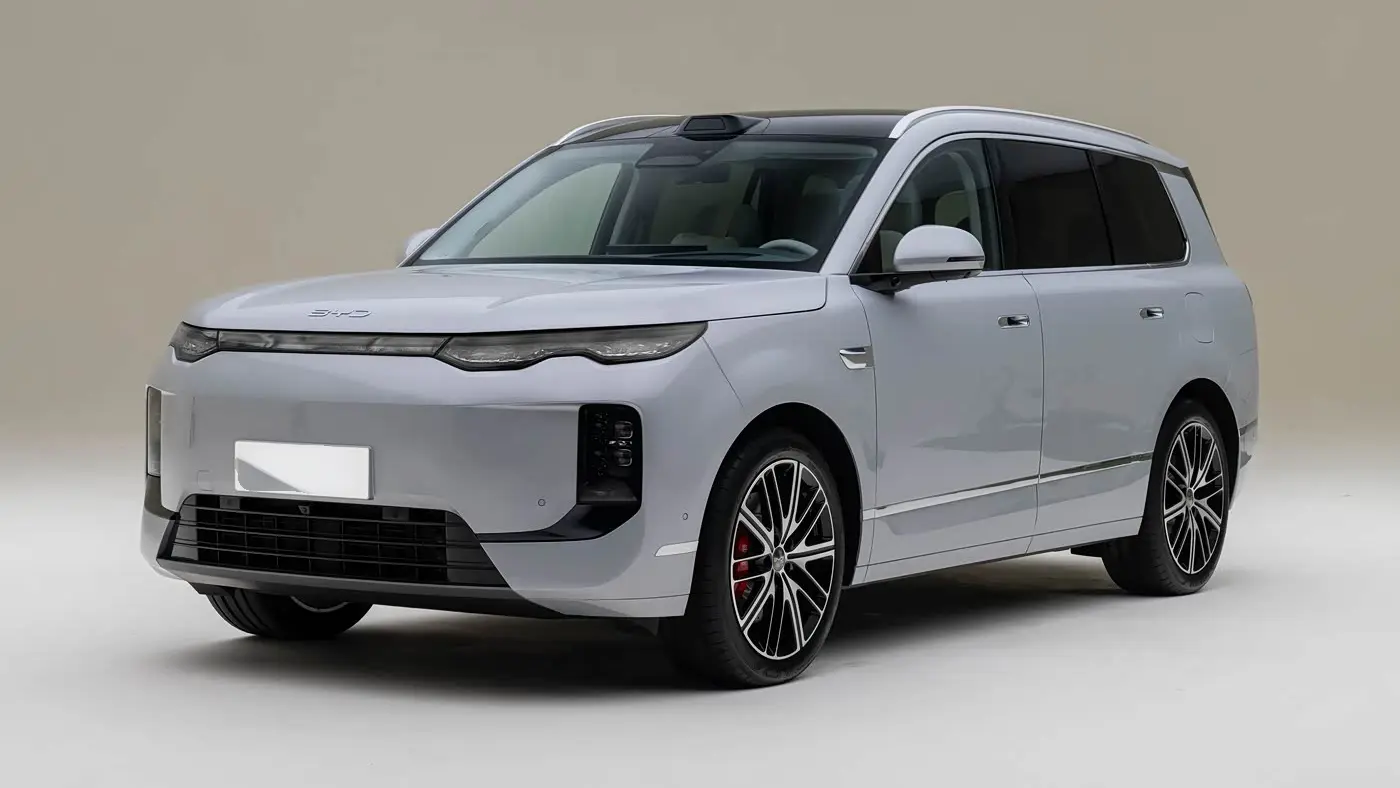
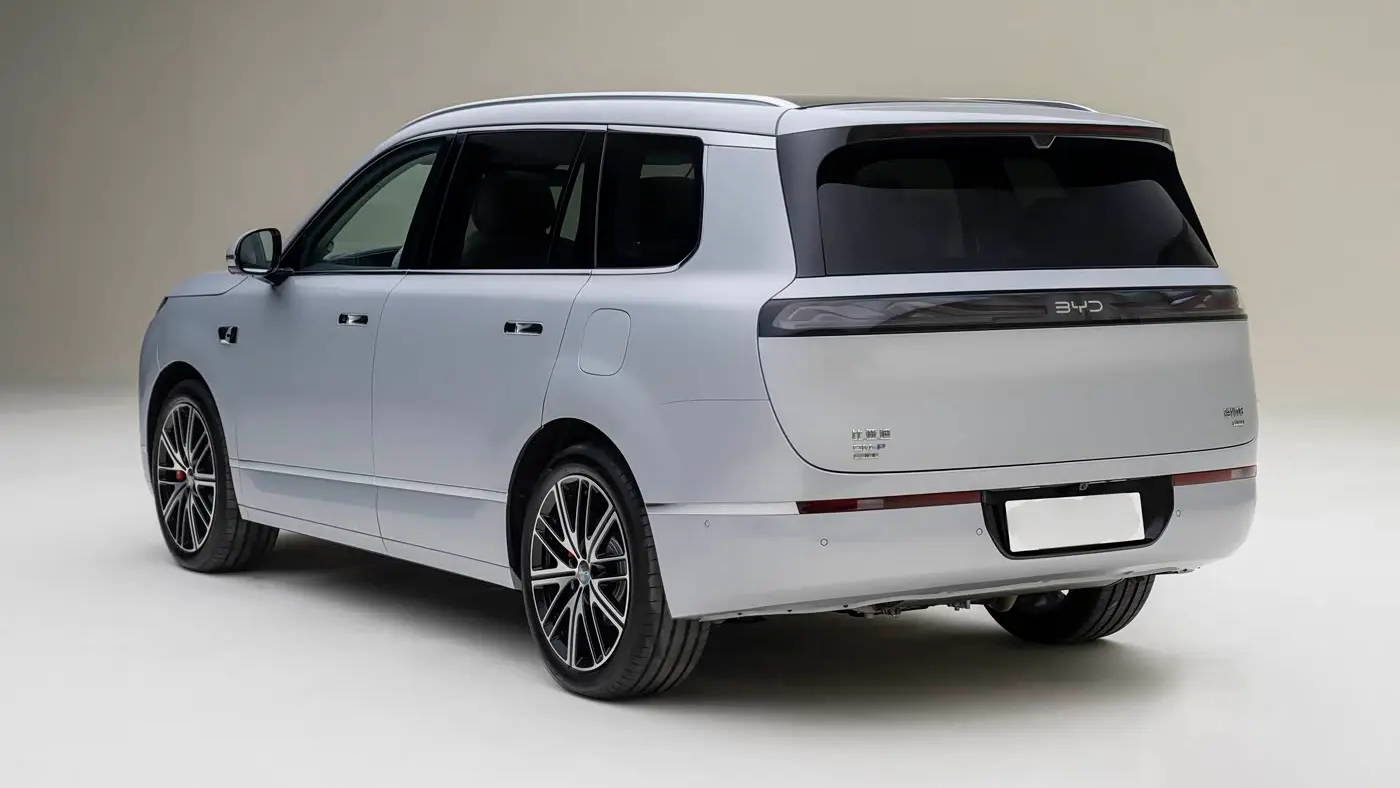
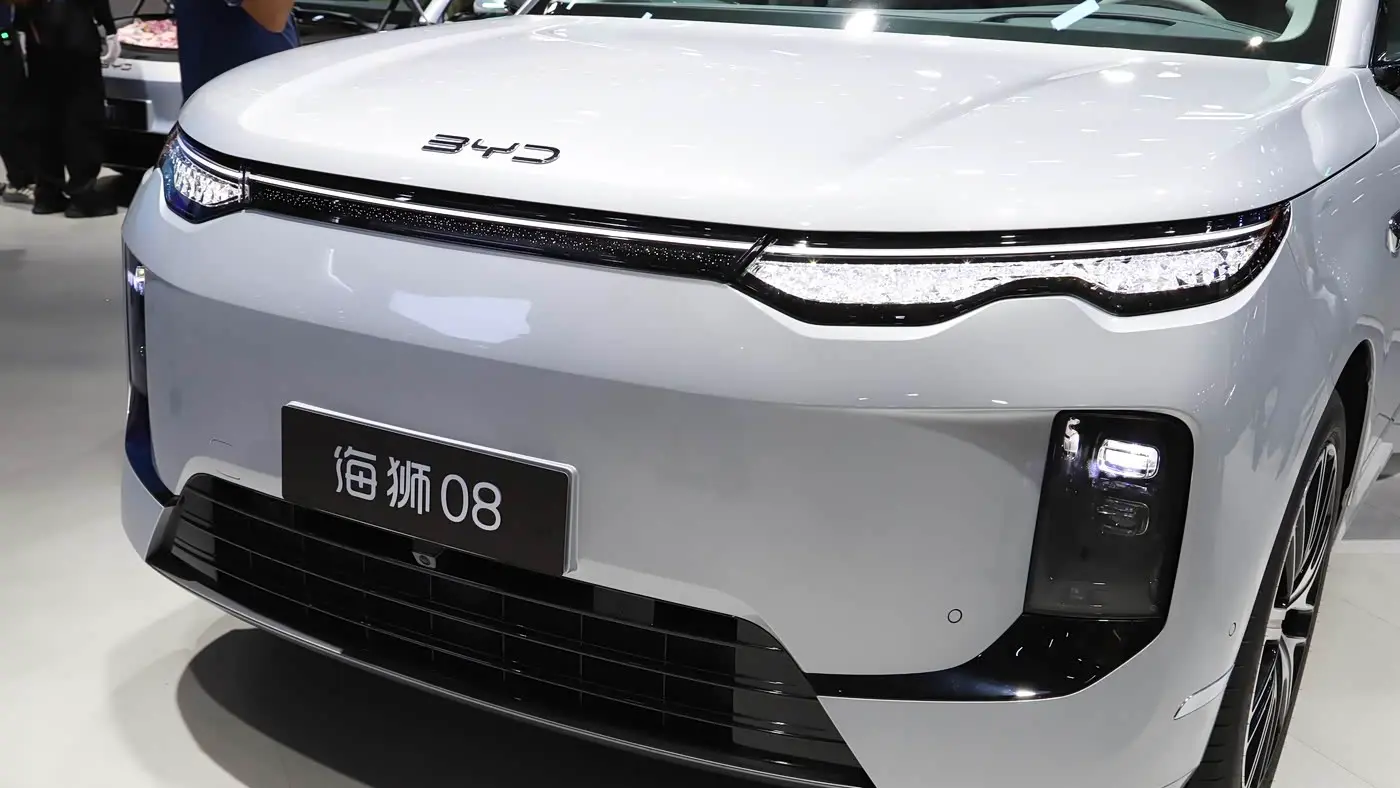
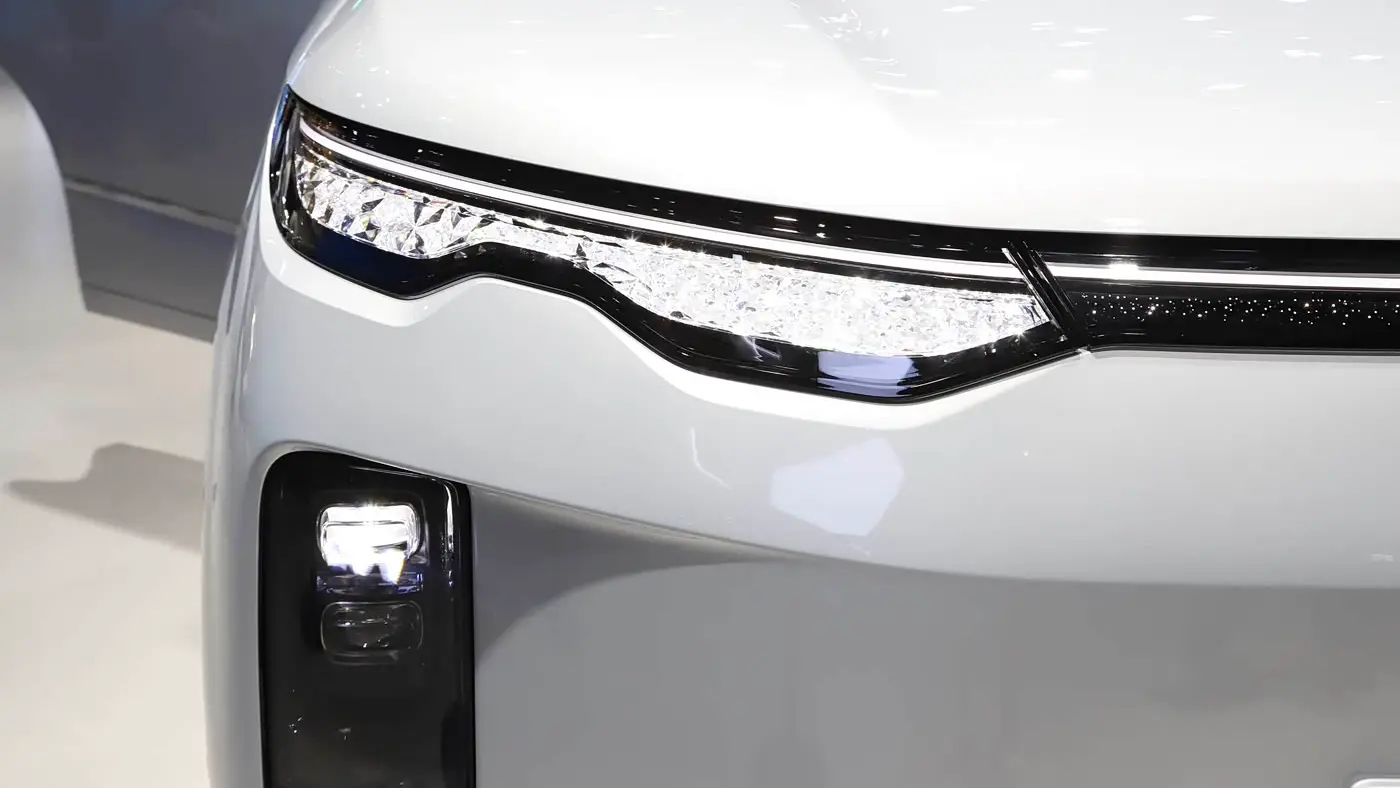
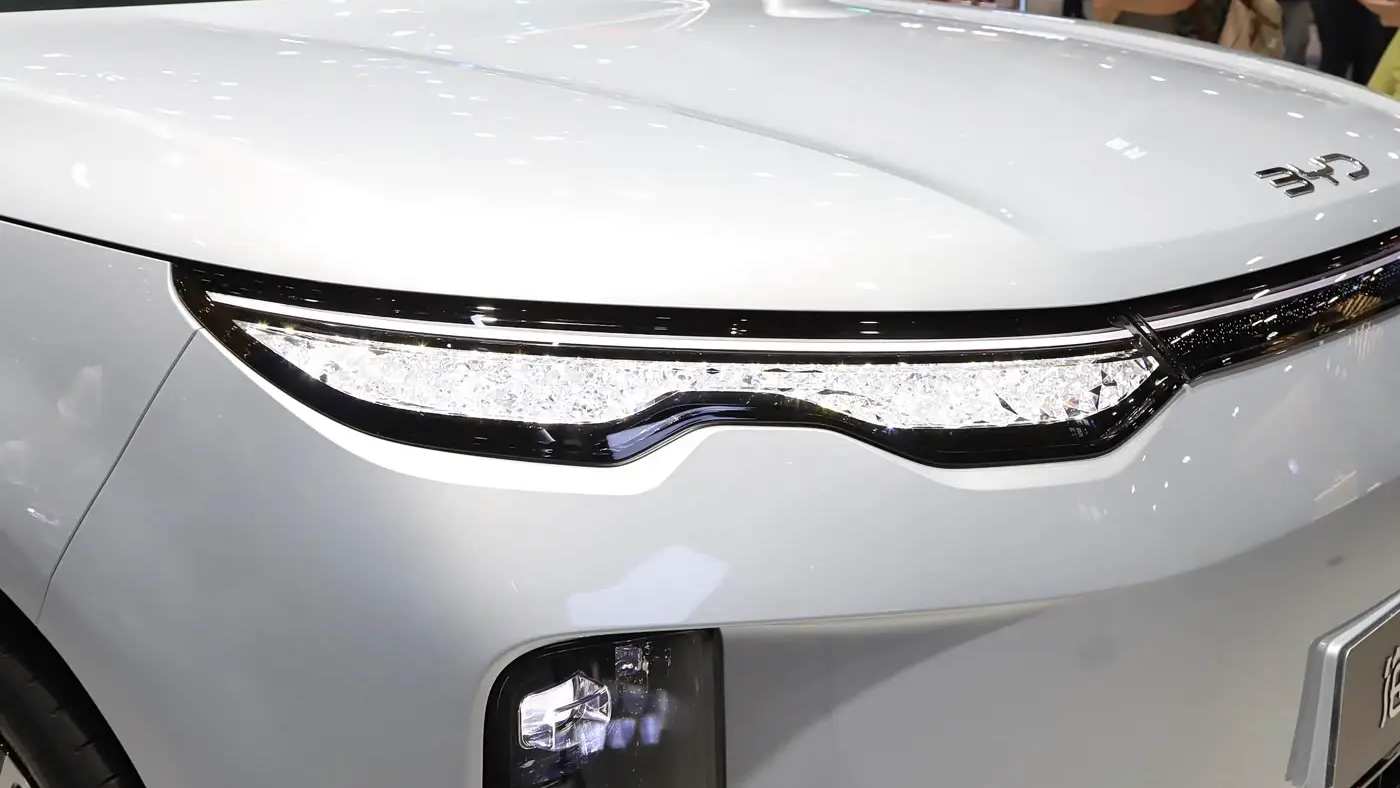
Exterior Lighting: BYD Sealion 08’s “Ice Eye” DRLs
The front fascia’s “Ice Eye” (寒冰之眼) daytime running lights are where BYD shows its design ambition. Built with a crystal thick-wall diamond-cut process inspired by high-end jewelry faceting, the DRL module carries nearly 9,000 three-dimensional refractive facets and 132 high-power LEDs; the tidal-star position light stretches across the front with over 400 light points in a full-width layout. On the show floor, the DRLs read less like a lighting part and more like a piece of cut crystal — the kind of detail that photographs well and signals premium intent before a word about the spec sheet.
BYD Sealion 08 range and charging: 900 km, 9 minutes to full
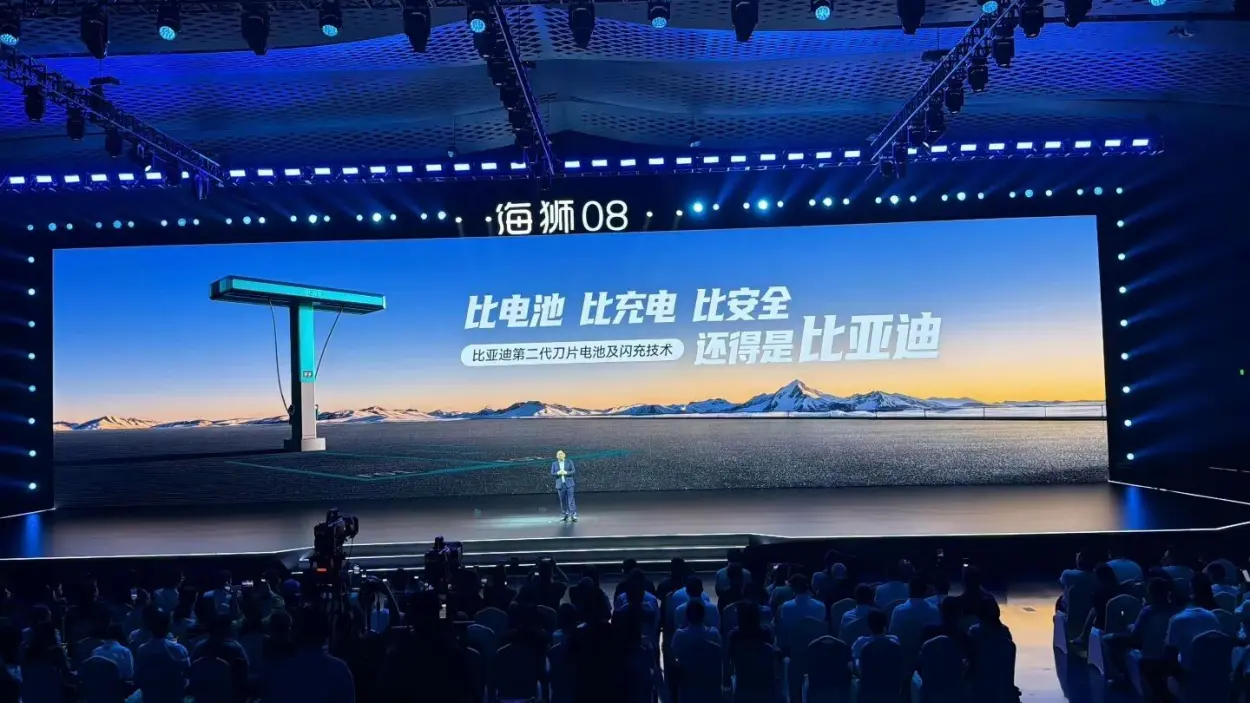
The BEV versions top out at 900 km CLTC on a charge; the PHEV variants deliver 400 km of pure-electric range and up to 1,650 km combined, with a NEDC depleted-battery fuel use of 4.6 L/100 km. The second-generation Blade Battery comes in a 55.843 kWh pack for the PHEV and 92.093 / 115.072 kWh packs for the BEV.
Charging is where BYD leans on its own infrastructure. The native flash-charging platform claims 5 minutes to 70% and 9 minutes to 97% at room temperature — and only three extra minutes at -30°C. That claim rests on a network BYD says reached 10,000 flash-charging stations as of August 28, the backbone of the megawatt-class charging stack the company has been building in parallel with the cars. Range without a place to spend it is a spec sheet; BYD is selling both.
Inside the Sealion 08: God’s Eye B and DiSus-A
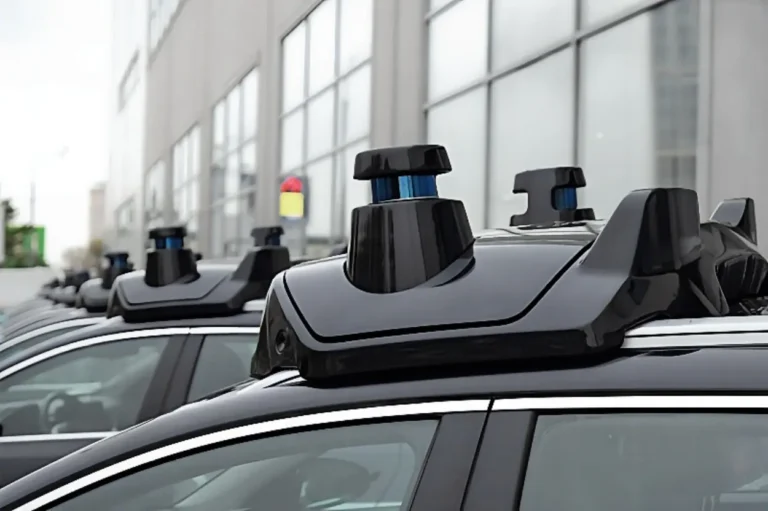
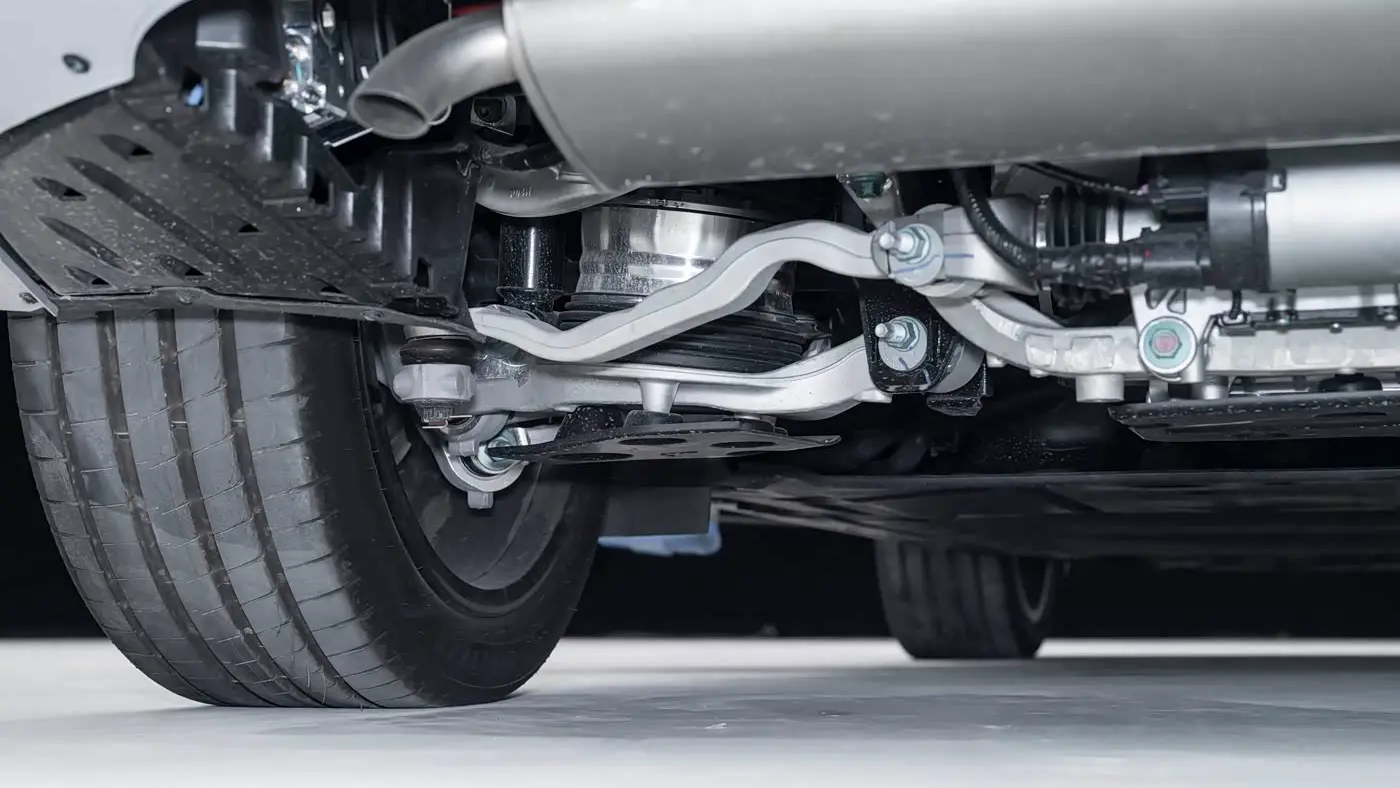
The God’s Eye B suite pairs a LiDAR with cameras and millimeter-wave radar, supporting highway and urban navigation assist plus full-scenario parking. The chassis uses a front double-wishbone and rear five-link layout, with DiSus-A air suspension that raises the body 50 mm for off-road clearance, drops it 50 mm for easy entry, and previews the road surface ahead. Rear-wheel steering pulls the turning radius down to 4.95 m — remarkable for a vehicle over five meters long.
Safety kit includes 11 airbags and a cage built on a nine-longitudinal, thirteen-lateral load-path structure. BYD says the car stays controllable through a high-speed blowout at 160 km/h on a wet straight and 140 km/h in a wet curve — a claim that, if it survives independent testing, speaks to the same active-safety certification push BYD has been publicizing across its lineup.
Cabin, Screens and Comfort
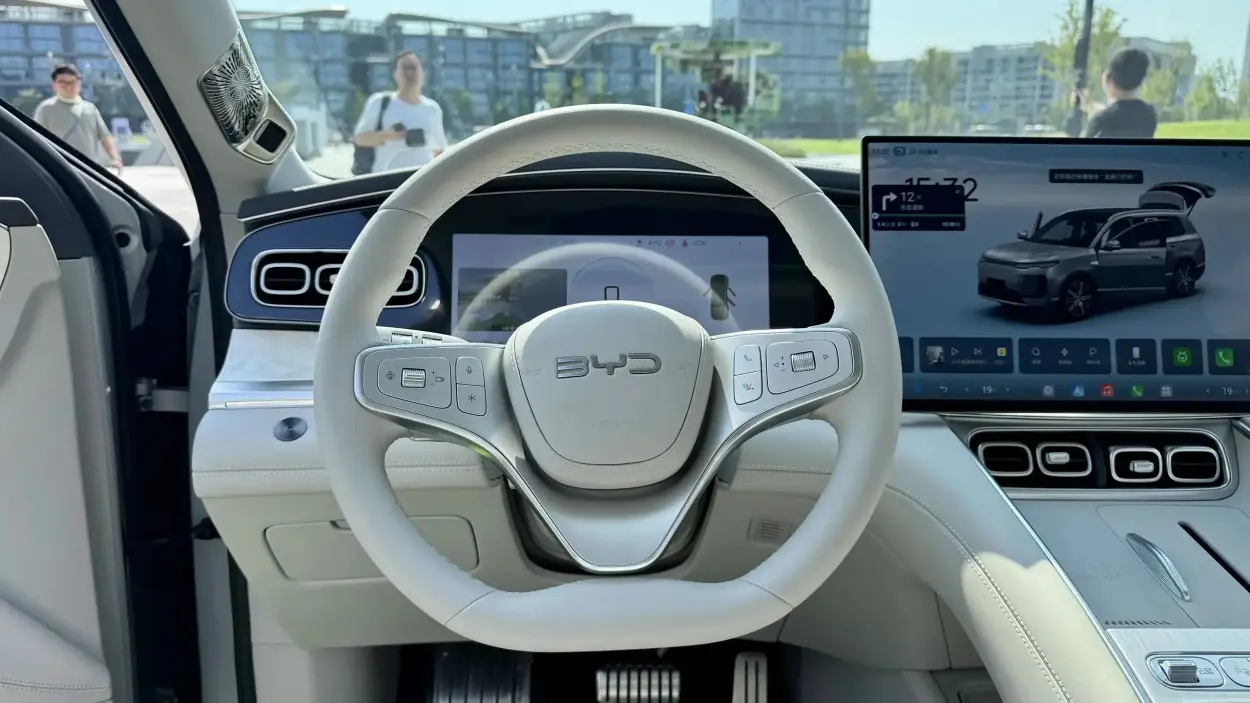
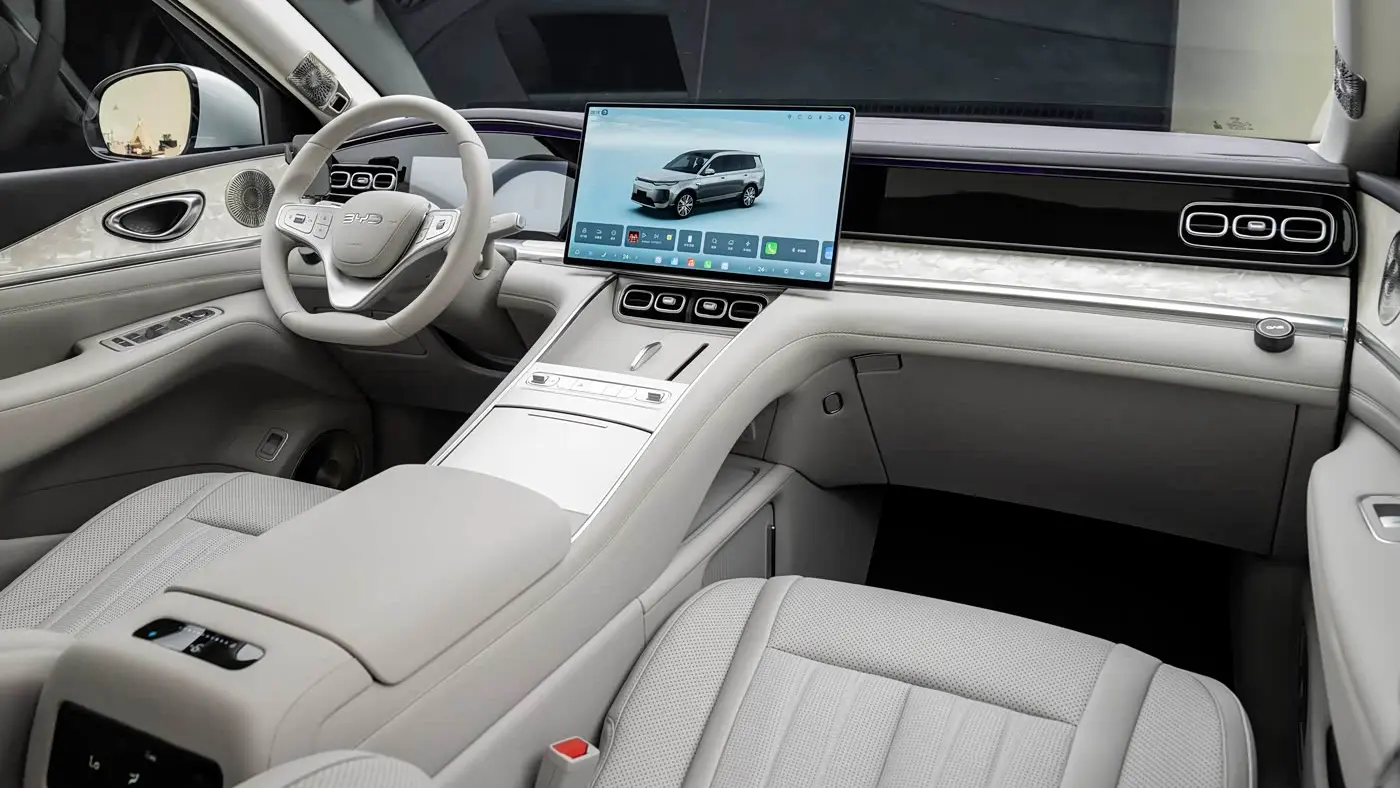
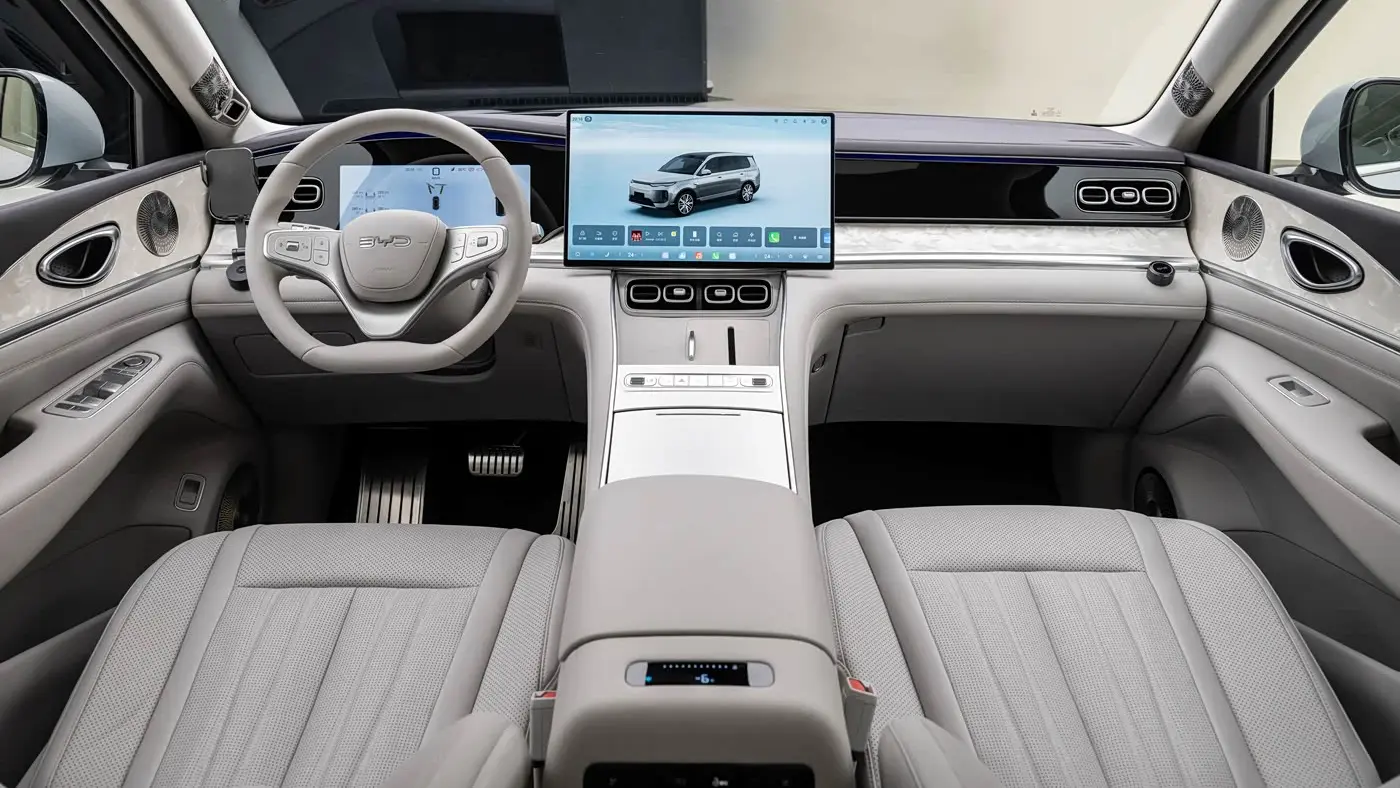
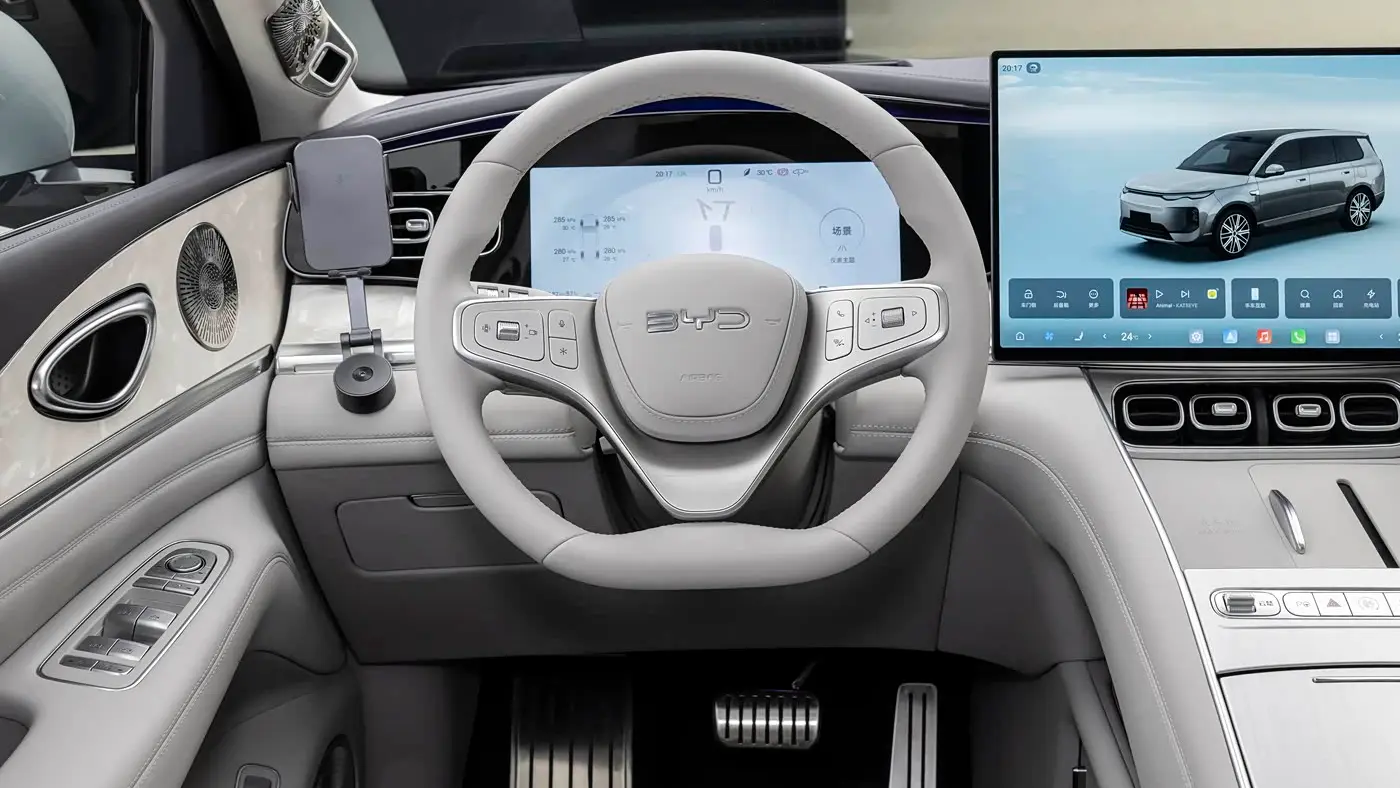
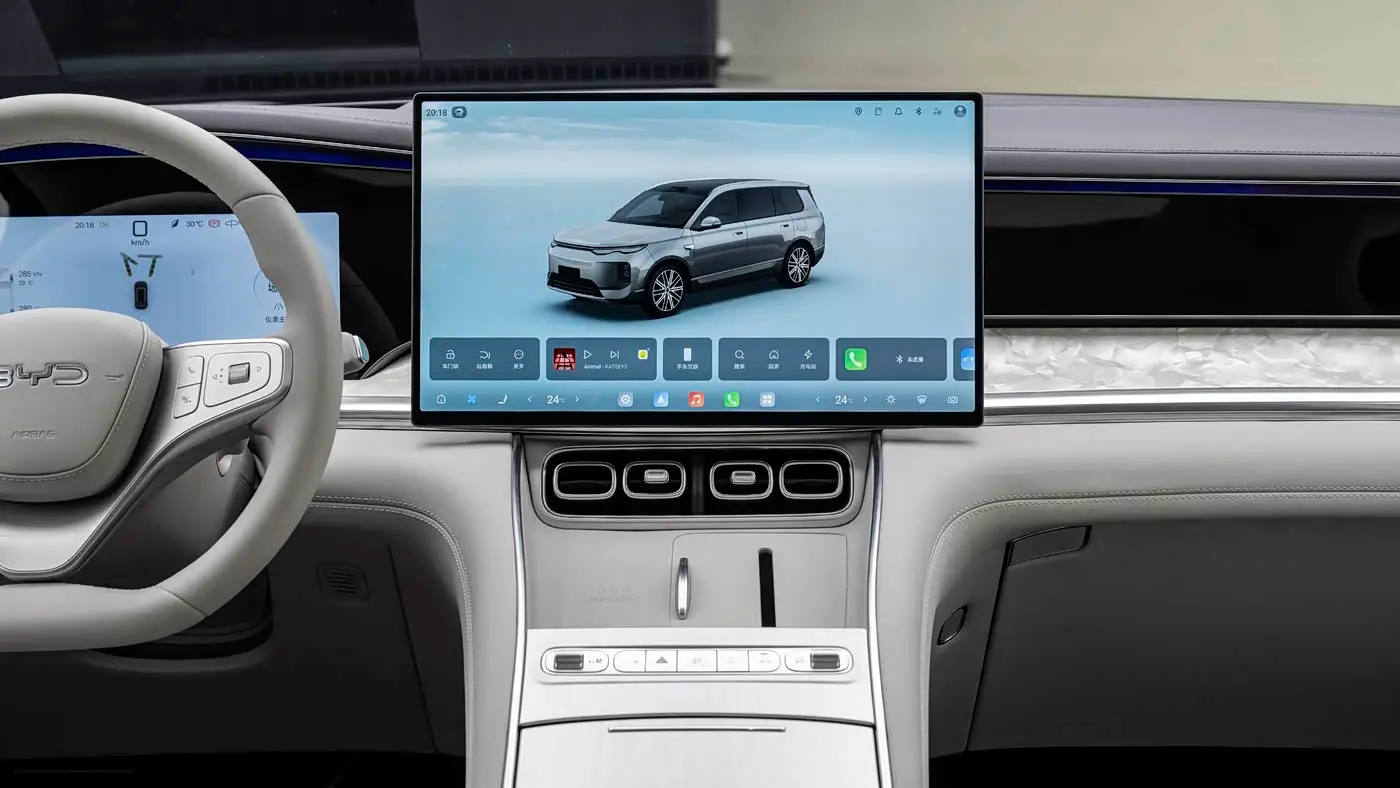
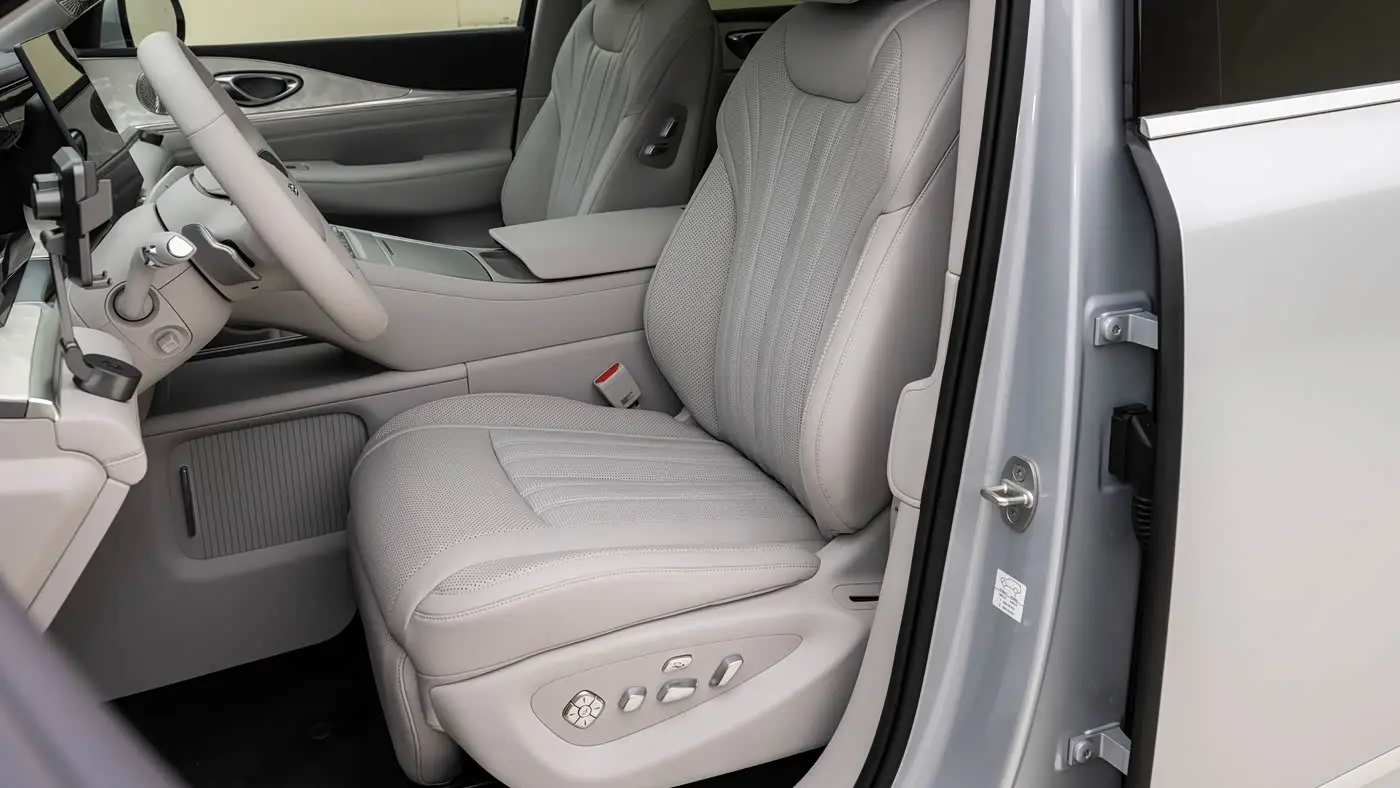
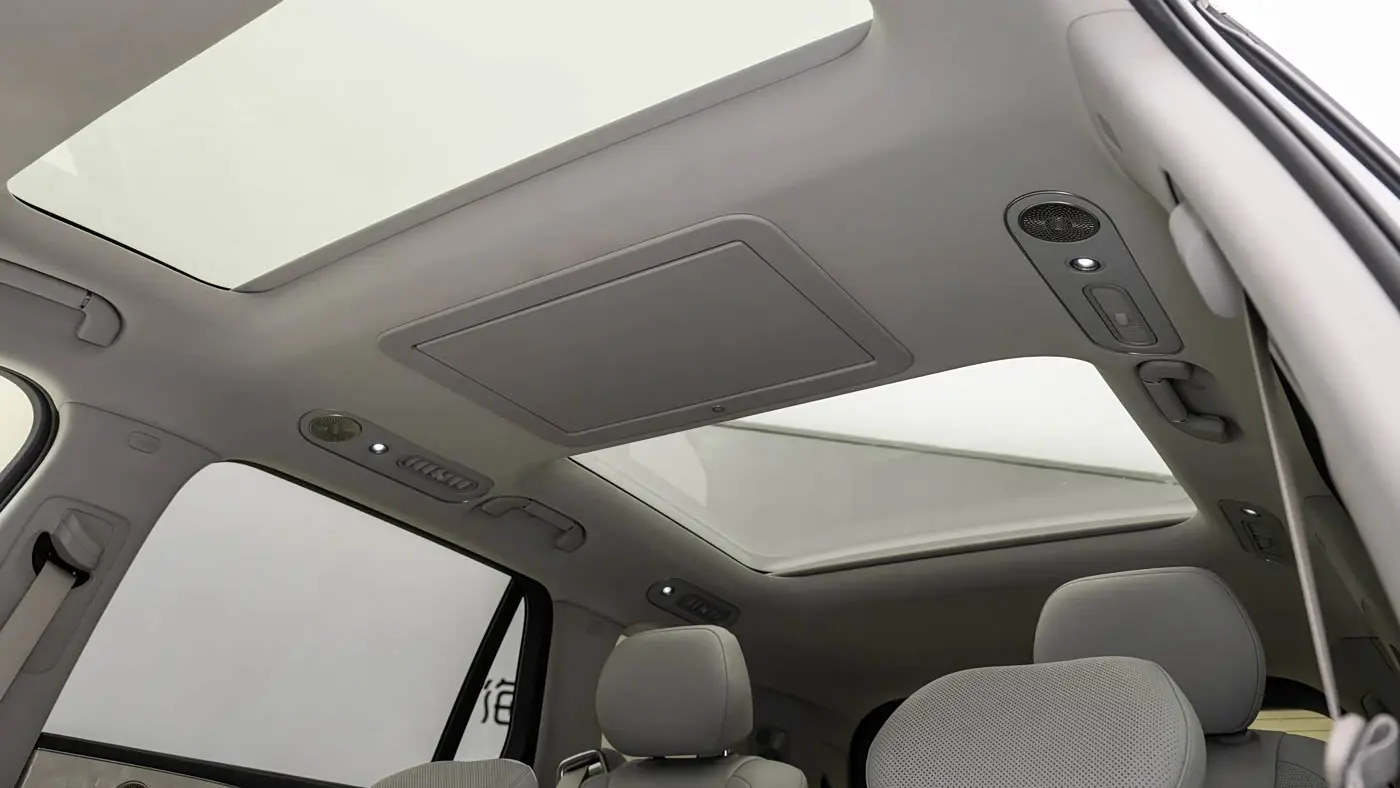
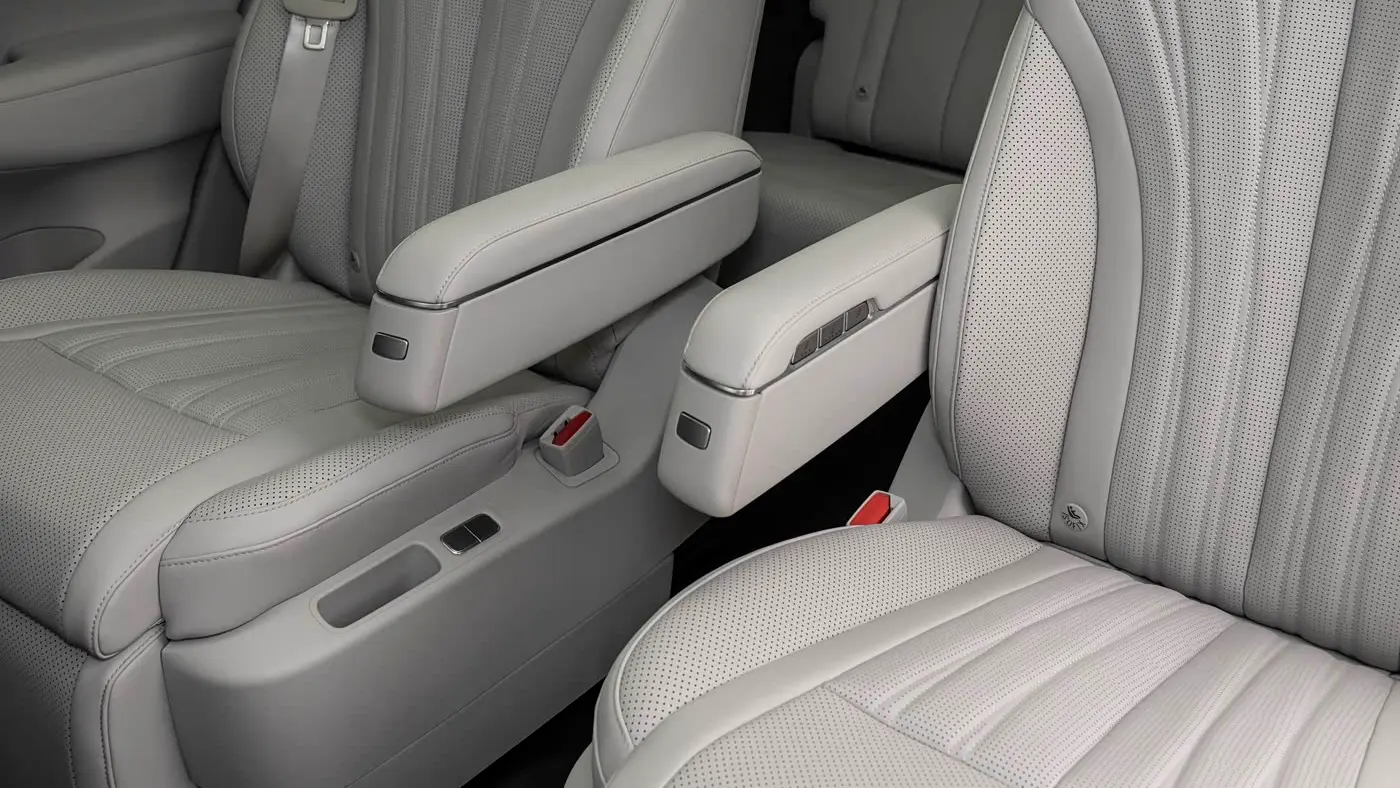
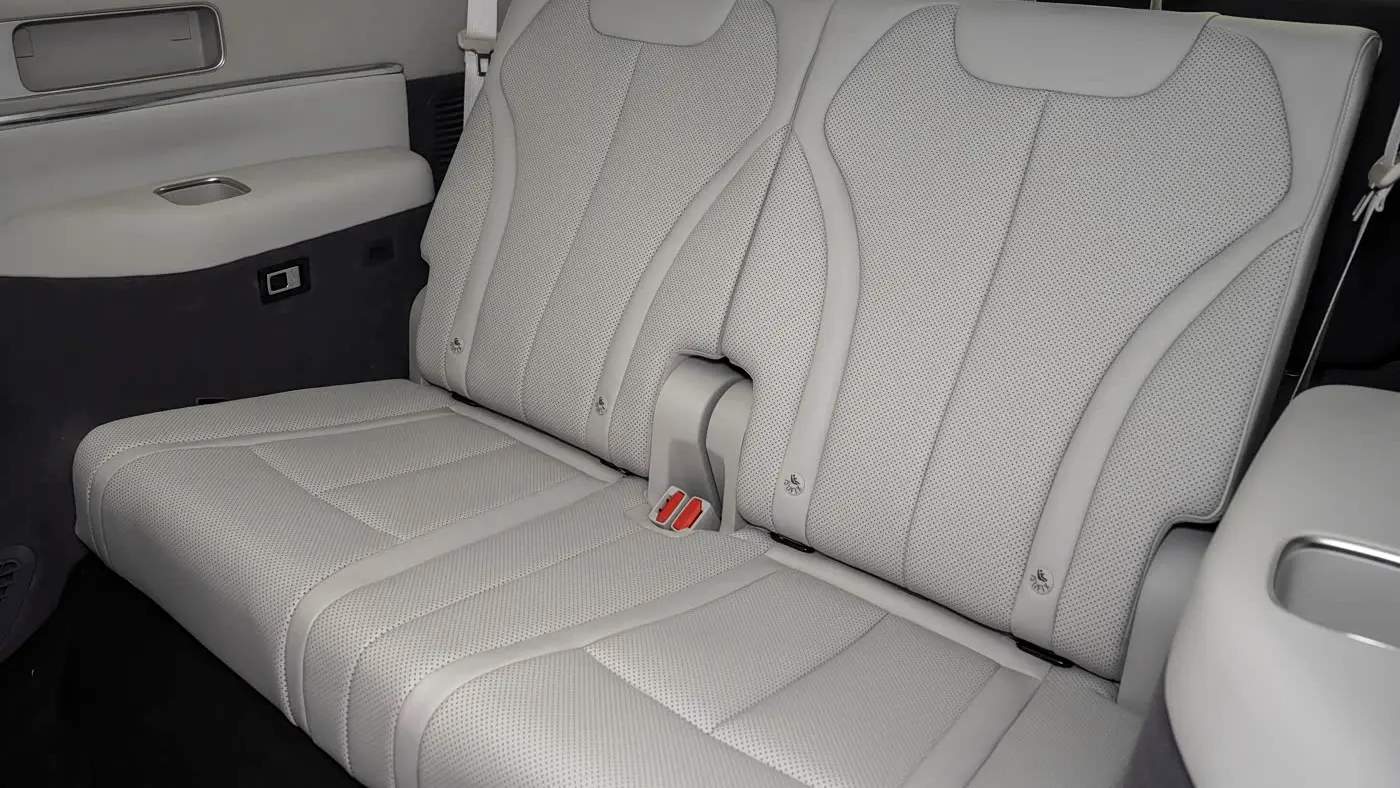
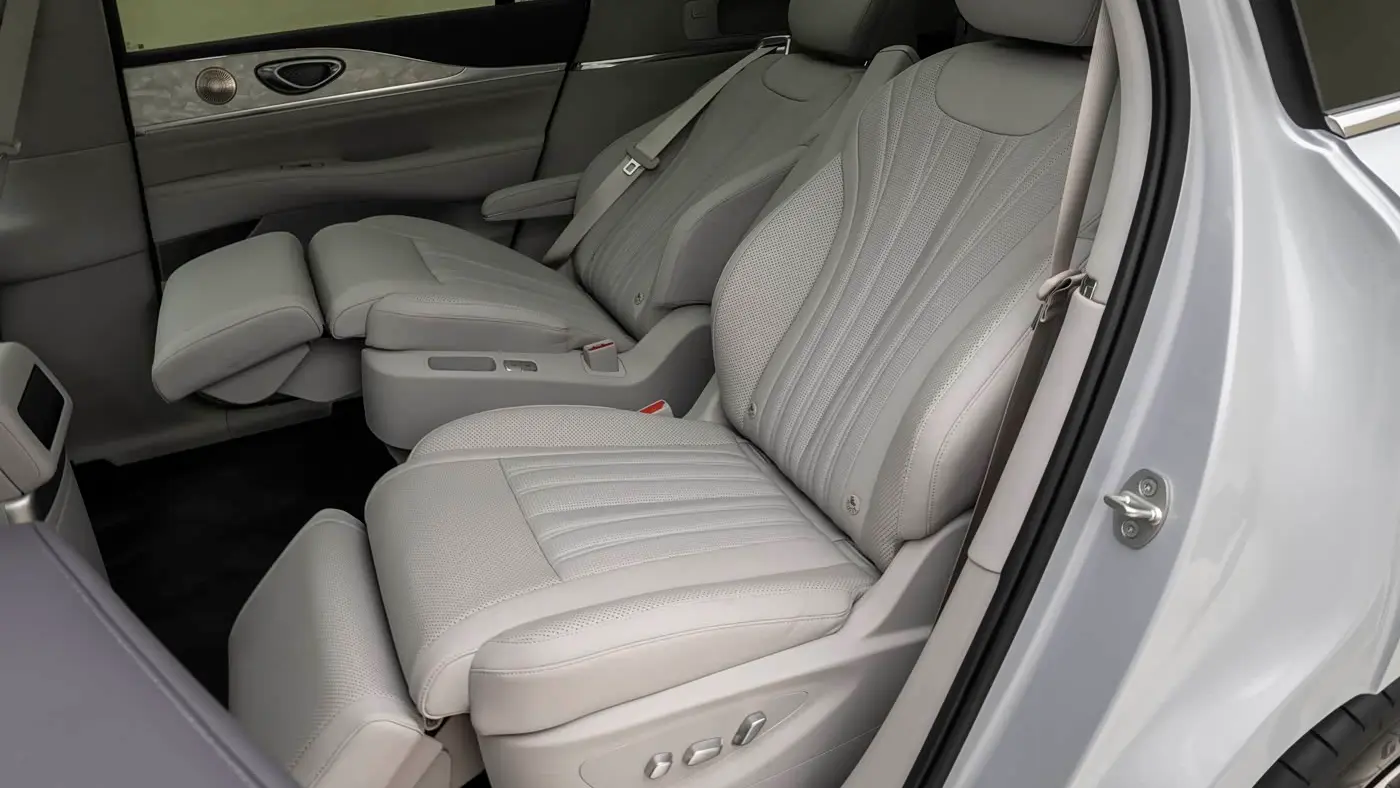
The cabin wraps the driver in a cocoon-style layout. A 15.6-inch floating rotatable central touchscreen sits beside the digital instrument cluster, with a 26-inch AR-HUD projecting key information onto the windshield. BYD’s DiLink 6.0 runs on 5G with four-zone voice control. Buyers choose five- or six-seat layouts; the six-seat version uses a 2+2+2 format with twin zero-gravity second-row captain’s chairs (ventilation, heating, massage, leg rest) and an 89.2% space utilization rate, the second-row backrest reclining to 147 degrees. Materials lean premium: Nappa leather and soft-touch wraps, mother-of-pearl trim, knit headliner, with over 140 seat configuration combinations. High trims add a 25-speaker Devialet Dolby Atmos system, a 21.4-inch roof-mounted rear screen, an onboard refrigerator, a fold-out table, soft-close doors, a streaming rear-view mirror and 53 storage compartments. Cargo runs to 943 L (expandable to 1,900 L in five-seat form), plus a 201 L powered frunk.
Walking the car at the launch, I counted the 26-inch AR-HUD and the twin zero-gravity captain’s chairs in the six-seat version — the Devialet 25-speaker system is the kind of detail families actually hear.
Powertrain: BEV and DM-i PHEV
Two powertrains bookend the range. The BEV uses BYD’s second-generation Blade Battery in 92.093 kWh or 115.072 kWh LFP packs. Single-motor rear-wheel drive makes 320 kW (0–100 km/h in 5.9 s) or 370 kW (also 5.9 s); the dual-motor all-wheel-drive version pairs a 215 kW front motor with a 370 kW rear motor for 585 kW combined and a 3.9-second 0–100 km/h sprint, top speed 250 km/h. CLTC range lands at 710 km, 800 km or up to 900 km. The DM-i PHEV mates a 1.5-liter turbo engine (115 kW) with a 200 kW motor in rear-wheel drive (0–100 in 8.2 s) or dual 200 kW motors for all-wheel drive (0–100 in 4.7 s); a 55.84 kWh battery delivers 400 km CLTC electric range rear-wheel drive (350 km all-wheel drive) and 1,650 km combined. Every variant rides BYD’s native flash-charging platform — 10% to 97% in nine minutes.
On the spec sheet BYD showed at the venue, the figures that raised eyebrows were the AWD BEV’s 3.9-second 0–100 km/h sprint and the 900 km CLTC range — performance-car numbers on a family SUV.
Chassis and Suspension
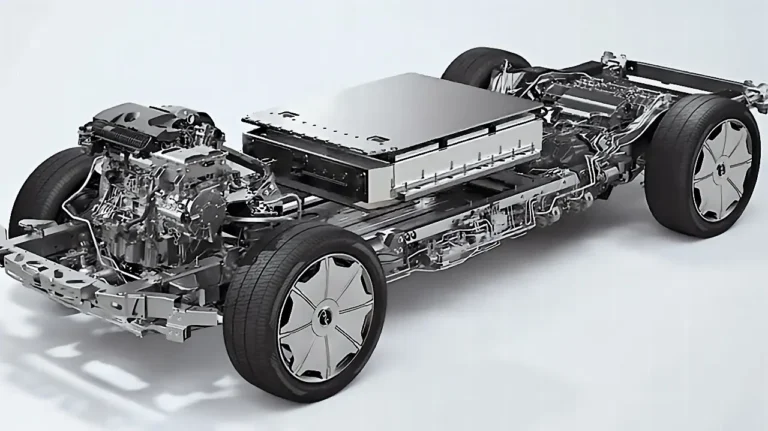
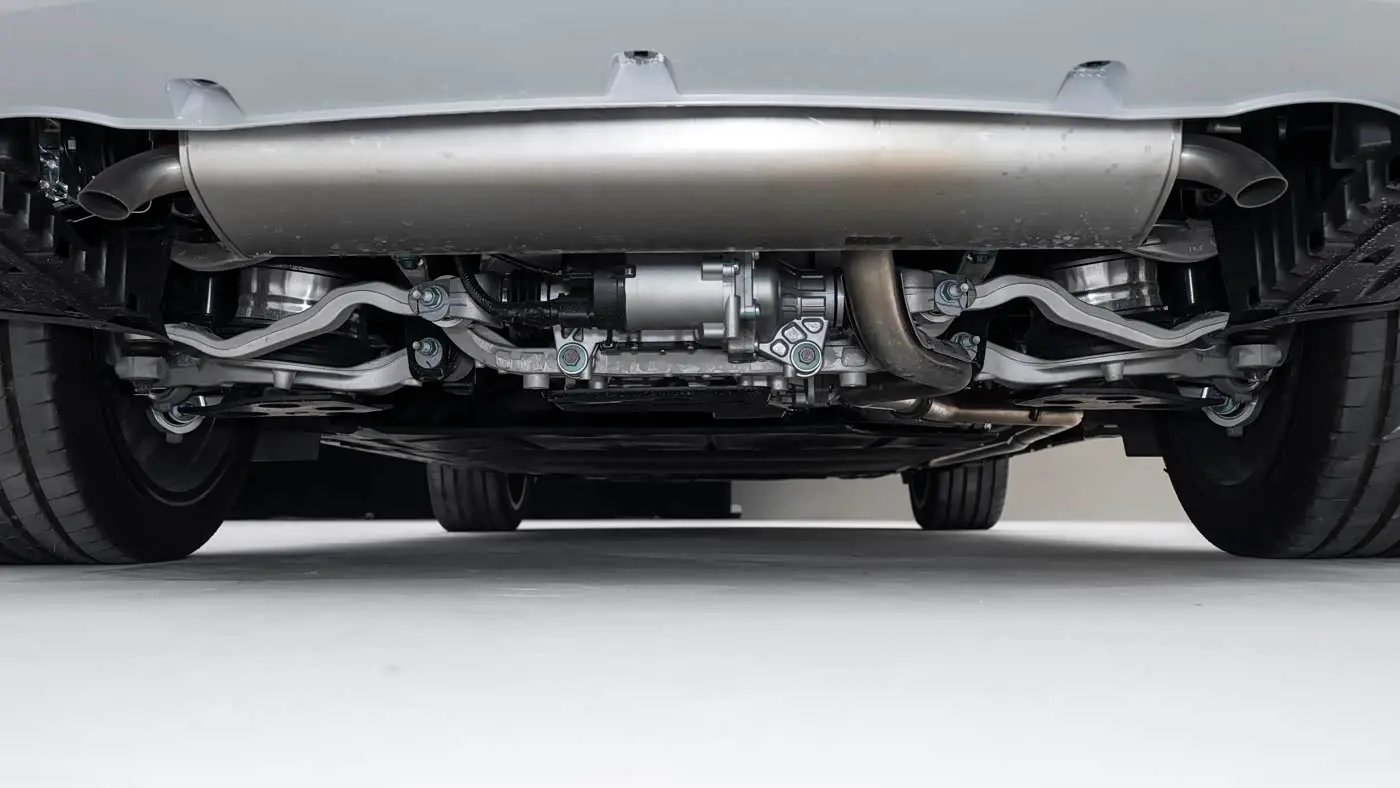
Underneath, the Sealion 08 runs a front double-wishbone and rear five-link independent suspension with a stabilizer bar. DiSus-A closed dual-chamber air suspension raises the body 50 mm for clearance or drops it 50 mm for entry, working with a road-preview camera system. Rear-wheel steering pulls the turning radius to 4.95 m — striking for a 5.1-meter SUV. Cell-to-Body (CTB) integration ties the battery into the structure for rigidity, and the chassis is rated to 250 km/h.
Why the Sealion 08 rattles Li Auto, AITO and Tesla
The competitive map is direct. The Li Auto L8 and AITO M7 (Wenjie) own the Chinese three-row, comfort-led SUV niche on the strength of their EREV powertrains and living-room interiors. The Xiaomi YU7 and Tesla Model Y own the smaller, sportier end. The Sealion 08 straddles both: big enough to threaten the L8 and M7, priced low enough to pull buyers who might otherwise have stretched for a YU7. Bundling air suspension and LiDAR as standard resets the expectation for what “$31,700 buys” in a Chinese SUV — and forces rivals to either match the kit or defend the price gap.
The risk for BYD is margin, not capability. Standardizing expensive hardware across the range protects the perception of value but compresses the contribution per car, and the 1,650 km PHEV figure only matters if buyers trust the real-world numbers. Still, the strategic logic is consistent with how BYD has won every segment it entered: arrive with more car per yuan than the incumbent can profitably answer.
The Bottom Line
BYD’s Sealion 08 turns air suspension, LiDAR driver assist and rear-wheel steering into standard equipment on a $31,700 SUV, then backs the 900 km range with a 10,000-station flash-charging network. It is the most aggressive statement yet of BYD’s “more car per yuan” strategy aimed straight at Li Auto and AITO — and the clearest measure of how far Chinese OEMs will push hardware bundling to win the family-SUV fight.
Sources & Further Reading
- Primary (English): CarNewsChina — BYD Sealion 08 launches in China: second-gen Blade Battery on both PHEV and EV models (launch details, trims, specs).
- Corroborating (Chinese): Pacific Auto, IT Home (IThome), NetEase, Tencent News and Toutiao coverage of the September 2 launch — consistent on pricing, standard equipment, range and charging figures.
- BYD — official site
- EVsays — BYD megawatt flash-charging station architecture
- EVsays — BYD’s in-house 4D radar chip
- EVsays — BYD L2 ADAS certification push
Note on sourcing: pricing and specifications are drawn from CarNewsChina’s English launch report and cross-checked against multiple Chinese outlets (Pacific Auto, IT Home, NetEase, Tencent, Toutiao), all consistent. USD conversions use EVsays’ 7.25 RMB/USD reference rate; CarNewsChina reported the price band as $33,800–$41,200 using a different rate. Analysis and competitive framing are EVsays’ own.